
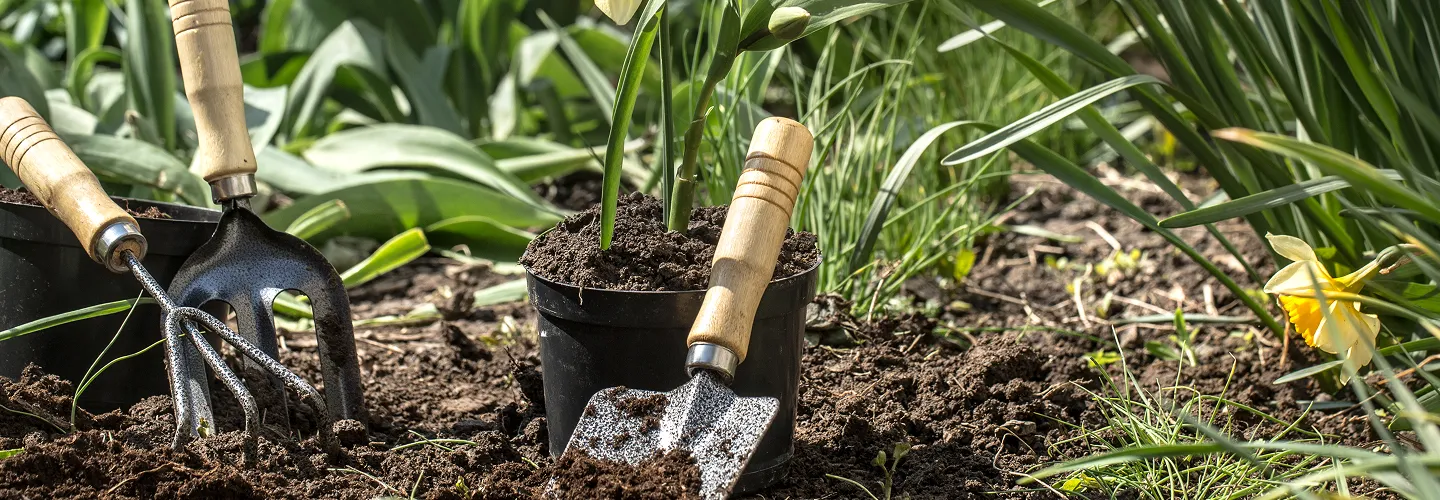
West Hartford Weeding Services
Choose our expert weeding services for a healthier, more beautiful landscape—our experienced team ensures your garden thrives by removing unwanted weeds quickly and efficiently, so you can enjoy a lush, vibrant outdoor space all season long.
Get a Free QuoteOur West Hartford Landscaping & Yard Care Services
When to Schedule Weeding in West Hartford, Connecticut – Seasonal Guide
In West Hartford, Connecticut, the best times to schedule weeding are typically in early spring and late summer, when local weather patterns create optimal conditions for effective weed control. The region’s climate, marked by cold winters and humid summers, means that weeds often emerge vigorously after the last frost—usually in mid-April. Early intervention in neighborhoods like Elmwood or near Elizabeth Park helps prevent weeds from taking hold as soil temperatures rise and rainfall increases. Late summer weeding, especially after periods of high humidity or drought, is also crucial to manage late-blooming species and prepare your landscape for fall.
Local environmental factors play a significant role in determining the right timing for weeding. For example, shaded yards in the Buena Vista area may experience slower weed growth, while properties near Trout Brook Park with loamy, well-drained soils might see earlier weed emergence. It’s important to consider West Hartford’s municipal guidelines and seasonal restrictions, which can be found on the town’s official website, to ensure compliance and optimal results.
Local Factors to Consider for Weeding in West Hartford
- Tree density and shade coverage, especially in established neighborhoods
- Soil type (loamy, clay, or sandy) and drainage characteristics
- Average precipitation and risk of summer drought
- Frost dates and seasonal temperature shifts
- Terrain slope and proximity to water features
- Municipal restrictions or neighborhood association guidelines
Benefits of Weeding in West Hartford

Enhanced Curb Appeal
Healthier Plant Growth
Reduced Pest Infestation
Improved Soil Quality
Professional and Reliable Service
Time and Effort Savings
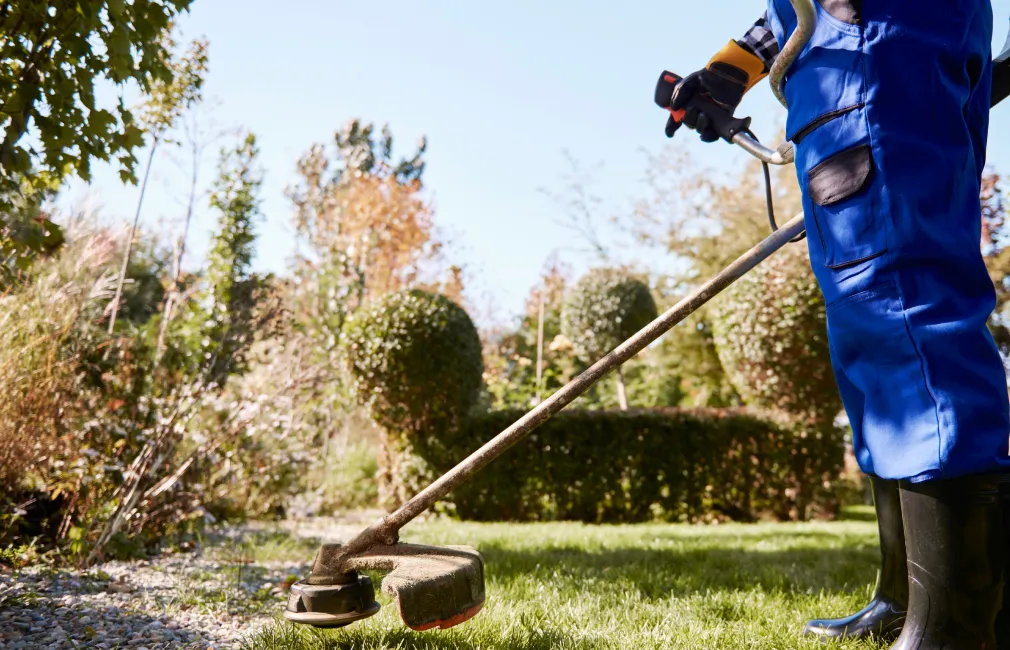
West Hartford Weeding Types

Hand Weeding
-
Mechanical Weeding
-
Mulching for Weed Control
-
Pre-Emergent Herbicide Application
-
Post-Emergent Herbicide Application
-
Flame Weeding
-
Organic Weed Removal
Our Weeding Process
Site Evaluation
Weed Identification
Targeted Removal
Soil Treatment
Final Inspection
Why Choose West Hartford Landscape Services
-
West Hartford Homeowners Trust Us
-
Expert Lawn Maintenance
-
Reliable Seasonal Cleanups
-
Competitive Pricing
-
Professional Team
-
Satisfaction Guarantee
-
Personalized Service
West Hartford’s Glacial Till Soils and Weeding Best Practices
Weeding in West Hartford requires careful consideration of the city’s predominant glacial till soils, which are typically classified as Inceptisols and Ultisols according to the USDA Web Soil Survey. These soils are often rocky, moderately acidic (pH 5.5–6.5), and can exhibit poor drainage, especially in older neighborhoods. Effective weed removal should include:
- Soil testing (recommended every 2–3 years; $15–25 via UConn Extension)
- Compost incorporation: 2–3 inches tilled to 6-inch depth
- Lime application for pH below 6.0
- Mulching to suppress regrowth
Mechanical removal is preferred to minimize soil disturbance and protect beneficial soil structure. For properties near wetlands or conservation areas, maintain a 25-foot no-disturbance buffer. Coordination with municipal guidelines is essential for compliance.
West Hartford Conservation and Environment Commission
50 South Main Street, West Hartford, CT 06107
Phone: (860) 561-7440
Official Website: West Hartford Conservation and Environment Commission
Yard Waste Collection and Weeding Debris Disposal in West Hartford
Proper disposal of weeding debris in West Hartford is regulated by the Department of Public Works. Yard waste collection occurs weekly on Thursdays from April through November. Residents must use biodegradable bags or reusable bins (32-gallon maximum); plastic bags and branches over 4 inches in diameter are prohibited. Accepted materials include:
- Weeds, leaves, grass clippings
- Brush under 4 feet in length
- Small twigs and garden debris
Improper disposal, such as placing debris in storm drains, is prohibited under the city’s MS4 permit and the Clean Water Act. Violations may result in fines. For large volumes, the town transfer station is available during posted hours. Always verify current schedules and requirements with the Department of Public Works.
West Hartford Department of Public Works
17 Brixton Street, West Hartford, CT 06110
Phone: (860) 561-8100
Official Website: West Hartford Department of Public Works
Environmental Compliance: Wetland Buffers and Stormwater Protection in West Hartford
Weeding activities in West Hartford must comply with local and state environmental regulations to protect wetlands, streams, and stormwater systems. The city enforces a standard 25-foot no-disturbance buffer from delineated wetlands and watercourses. The Connecticut Environmental Protection Act and the city’s MS4 stormwater permit prohibit the discharge of organic debris or soil into storm drains. Key compliance steps include:
- Maintain 25-foot buffer from wetlands
- Prevent soil and debris runoff during weeding
- Use silt fences or straw wattles on slopes
- Avoid fertilizer or herbicide application within 50 feet of water bodies
For properties adjacent to protected areas, consult the Conservation and Environment Commission for site-specific requirements.
West Hartford Stormwater Management Program
50 South Main Street, West Hartford, CT 06107
Phone: (860) 561-7540
Official Website: West Hartford Stormwater Management Program
Connecticut Department of Energy and Environmental Protection
79 Elm Street, Hartford, CT 06106
Phone: (860) 424-3000
Official Website: Connecticut Department of Energy and Environmental Protection
Seasonal Timing and Equipment Standards for Weeding in West Hartford’s Climate
West Hartford is located in USDA Hardiness Zone 6b, with a typical growing season from mid-April to late October. Optimal weeding windows are:
- Spring: April 15 – May 30 (soil temp 50–65°F)
- Fall: August 20 – September 30 (before first frost)
Equipment operation is regulated under municipal noise ordinances:
- Monday–Friday: 7:00 AM – 7:00 PM
- Saturday: 8:00 AM – 6:00 PM
- Sunday and holidays: Prohibited
Operators must use commercial-grade tools with functioning mufflers and maintain noise levels below 85 decibels at property lines. Required personal protective equipment includes:
- ANSI Z87.1 safety glasses
- Hearing protection for 85+ dB
- Cut-resistant gloves
For weather-related scheduling, consult the National Weather Service Boston/Norton office for local forecasts.
What Neighborhoods Do We Serve Throughout West Hartford, CT?
- Elmwood: Characterized by older homes and compact lots, Elmwood often features rocky glacial till soils and moderate drainage challenges, requiring careful debris management and adherence to buffer regulations near Trout Brook.
- West Hartford Center: This mixed-use district includes historic properties and mature landscaping, with frequent sidewalk and street access constraints that impact equipment selection and debris staging.
- Bishops Corner: Larger lots and newer developments in Bishops Corner present fewer compaction issues but may require coordination with HOA landscaping standards and attention to stormwater runoff near local parks.
- Morley: Proximity to Fernridge Park and established tree canopies in Morley increase leaf litter and weed pressure, necessitating regular maintenance and compliance with municipal collection schedules.
- Bugbee: Residential areas near wetlands and conservation lands in Bugbee require strict adherence to 25-foot wetland buffers and careful disposal of organic debris to protect sensitive habitats.
- Norfeldt: Sloped lots and variable drainage in Norfeldt demand erosion control measures during weeding, especially on properties bordering open space or watercourses.
- Webster Hill: This area’s mix of older and newer homes, combined with moderate clay content in soils, can lead to compaction and drainage issues, making soil amendment and proper timing essential for effective weed management.